
05 Jan 2026
8 MIN READ
Gen Z Protests Explained: From Memes to Mass Protests Worldwide
Summary
From anime flags in Nepal to encrypted chats in Morocco, Generation Z is redefining how protests are born, spread, and sustained. Powered by memes, livestreams, and viral urgency, these leaderless movements leap from screens to streets with remarkable speed. Mapping Gen Z protesters reveals a global youth uprising demanding accountability, dignity, and change, on their own digital terms.
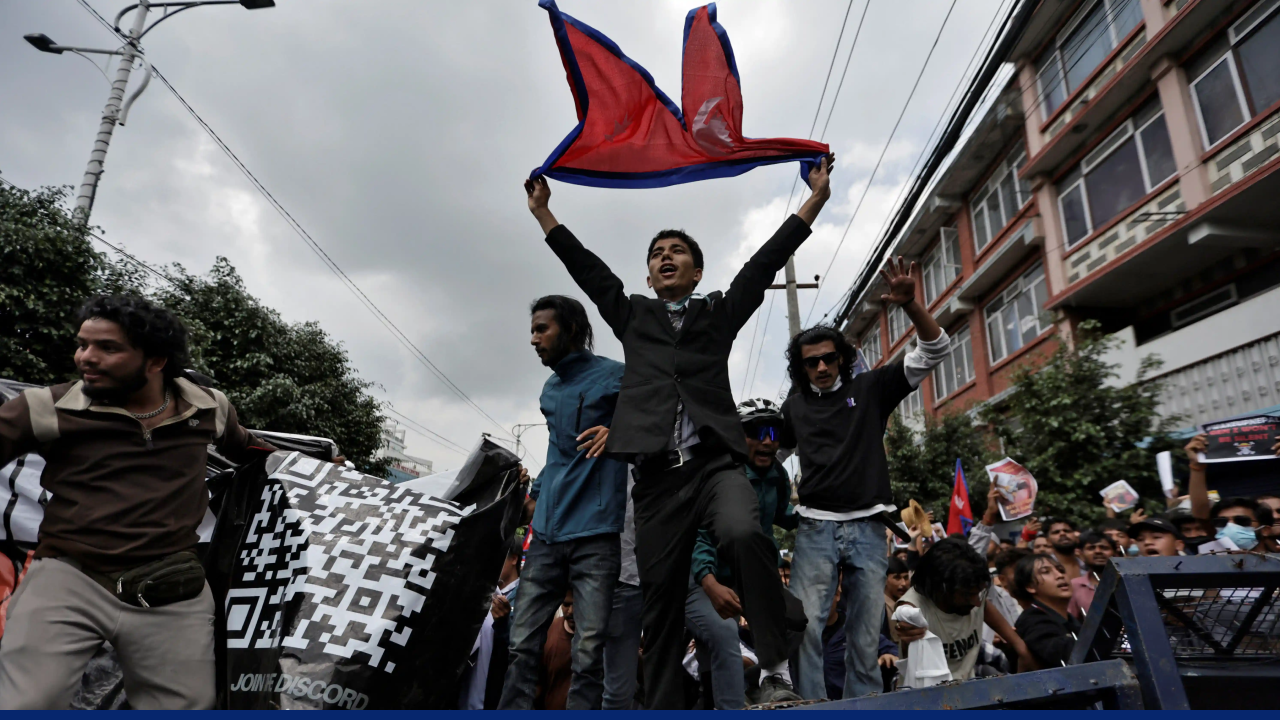
Teenagers and young adults in Nepal stormed a security building near Parliament after the government banned major social media platforms, prompting police to disperse the crowd with rubber bullets and water cannons. Credits: Navesh Chitrakar/Reuters
Introduction
Generation Z, often shortened to Gen Z, refers to people born between 1996 and 2010. They are the second-youngest generation, between millennials (born between 1981 and 1996) and Gen Alpha (born between 2010 and 2024). The digital age, climate anxiety, a shifting financial landscape, and COVID-19 have shaped Gen Z identity.
Gen Z protests mark a new phase in youth activism. Unlike older generations that used unions or political parties, Gen Z often organizes and amplifies protests online. They connect through memes, short videos, and viral hashtags.
Protests have popped up from Kathmandu to cities like Casablanca. Young people are uniting to address issues such as inequality, corruption, and environmental concerns. These movements show how quickly online discussions can lead to concrete action.
Characteristics of Generation Z Protests
Generation Z protests are decentralized and largely leaderless, organized through fluid online networks that prize creativity and visibility. This structure makes movements harder to suppress and enables rapid responses to government actions. Social media is central: TikTok humanizes issues, Instagram documents events on the ground, and Discord facilitates coordination.
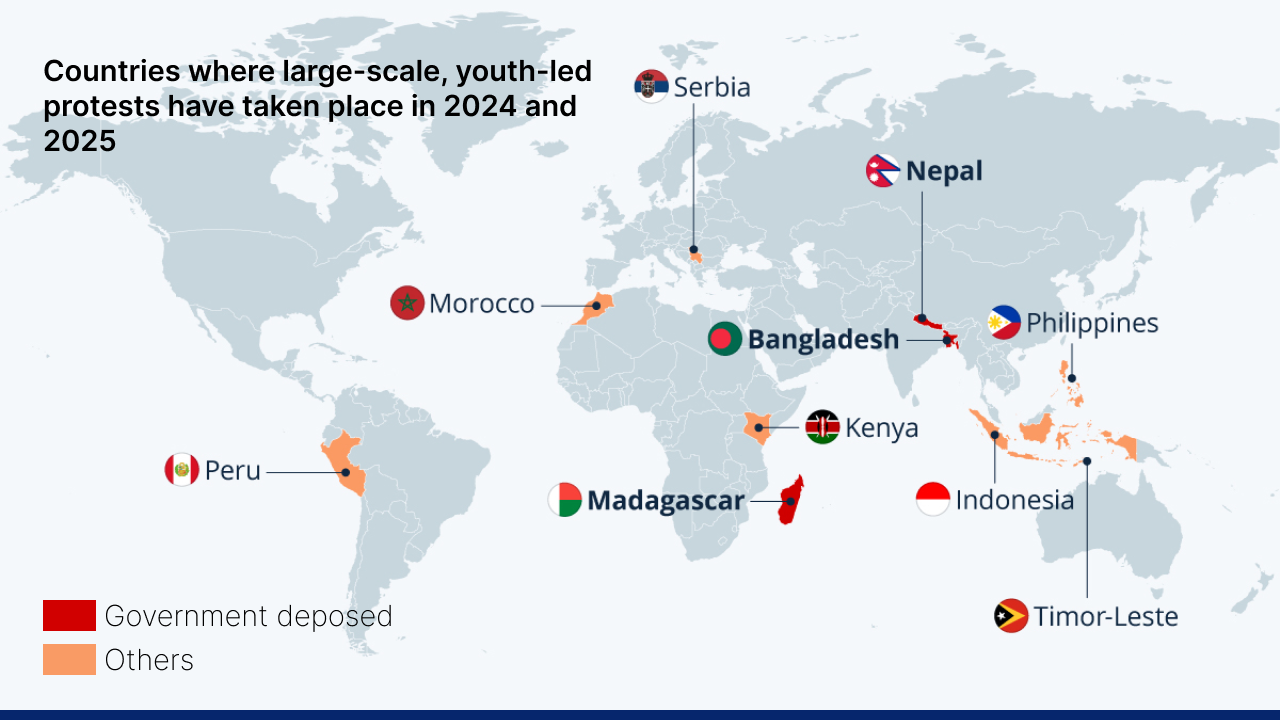
What connects these youth-led protests is a shared sense that traditional political systems aren't responsive to their generation's concerns, whether those concerns are corruption, climate change, or economic inequality. Credits: Statista
The speed of digital platforms creates urgency, allowing protests to mobilize overnight through viral hashtags. Memes, anime imagery, and pop culture references function as shared symbols of resistance, blending humor with political intent. As a result, Gen Z protests operate simultaneously as political mobilizations and cultural expressions, reflecting a generation of globally connected digital storytellers.
Digital Tools and Platforms Driving the Movements
Gen Z protests are powered by digital platforms that enable rapid organization and message amplification. TikTok and Instagram spread emotion-driven, short-form content that travels quickly, while tools like Discord help coordinate marches, share updates, and discuss strategy, as seen in Nepal.
When governments restrict internet access, protesters rely on VPNs and encrypted apps to stay connected. This resilience fuels “networked inspiration,” where slogans, tactics, and visuals cross borders. Livestreams, archived footage, and online protest guides turn digital spaces into training grounds, showing how entertainment platforms can also function as tools of democratic mobilization.
Key Examples of Gen Z Protests Around the World
Three recent uprisings show how Gen Z activism has changed civic resistance. Each case demonstrates how localized discontent, driven by digital coordination, can challenge entrenched systems.
Nepal: Protests erupted after the government banned major social platforms. It originated online and hit the streets. The movement started online, bringing students together under anime-inspired banners symbolizing freedom. The movement grew to demand transparency and anti-corruption reforms, contributing to pressure that resulted in the prime minister’s resignation.
Madagascar: Young people rallied against water and electricity shortages, drawing national attention to the neglect of infrastructure. The unrest pushed President Rajoelina to dissolve his government and announce political changes. However, protesters remain dissatisfied with the political elite and question whether new governments truly address their demands.
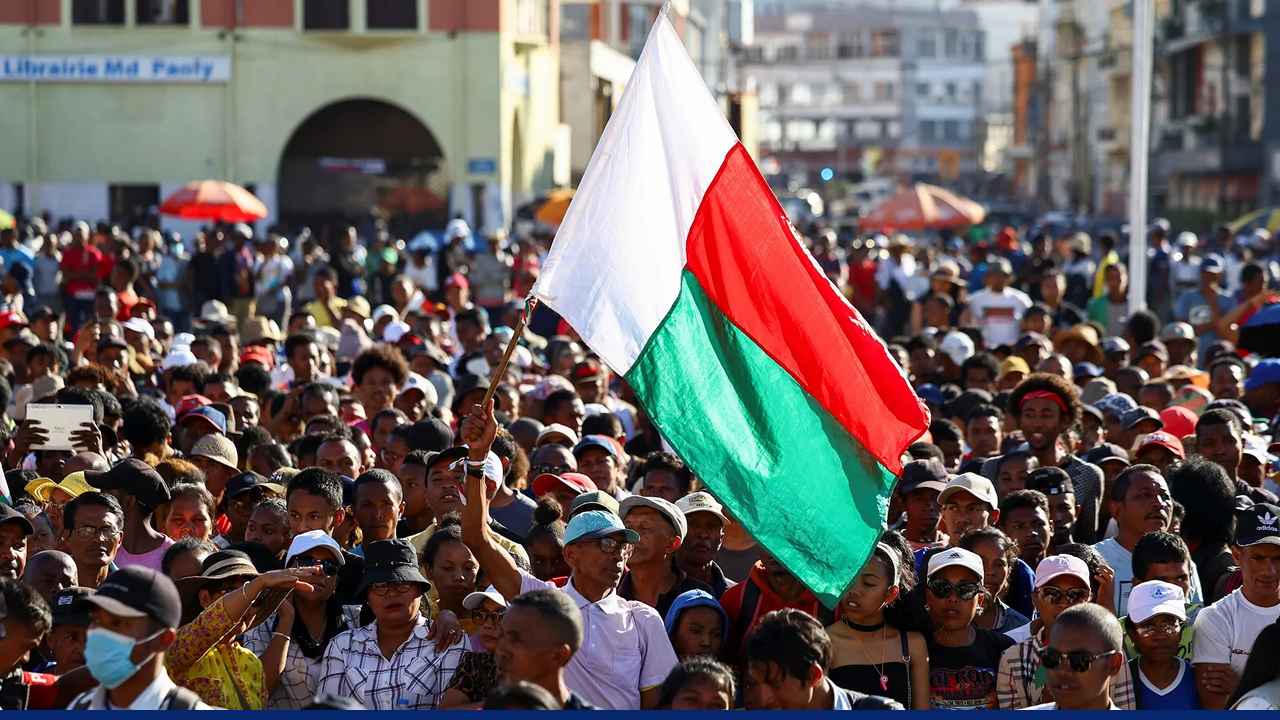
Siteny Randrianasoloniaiko, leader of the opposition in parliament, claimed that Rajoelina left Madagascar after army units defected and joined the protesters. Credits: Info
Morocco: A network of activists, sometimes referred to as “GenZ 212,” organized protests against the government’s prioritizing World Cup projects over public welfare. By using encrypted chats and viral visuals, they drew thousands into the streets before facing a crackdown.
Peru: From Latin America, Peru emerged as a hotspot for recent Gen Z protests. Anger ignited over proposed pension reforms, seen as unfair amid high youth informal employment rates. The movement swelled into widespread calls for President Dina Boluarte's resignation and sweeping political reforms.
Serbia: Protests ignited after a railway station roof collapse in Novi Sad killed 16, with students decrying corruption and negligence. It sparked public outrage, with students blaming government negligence. The movement spread to different issues in Serbia and gained a following.
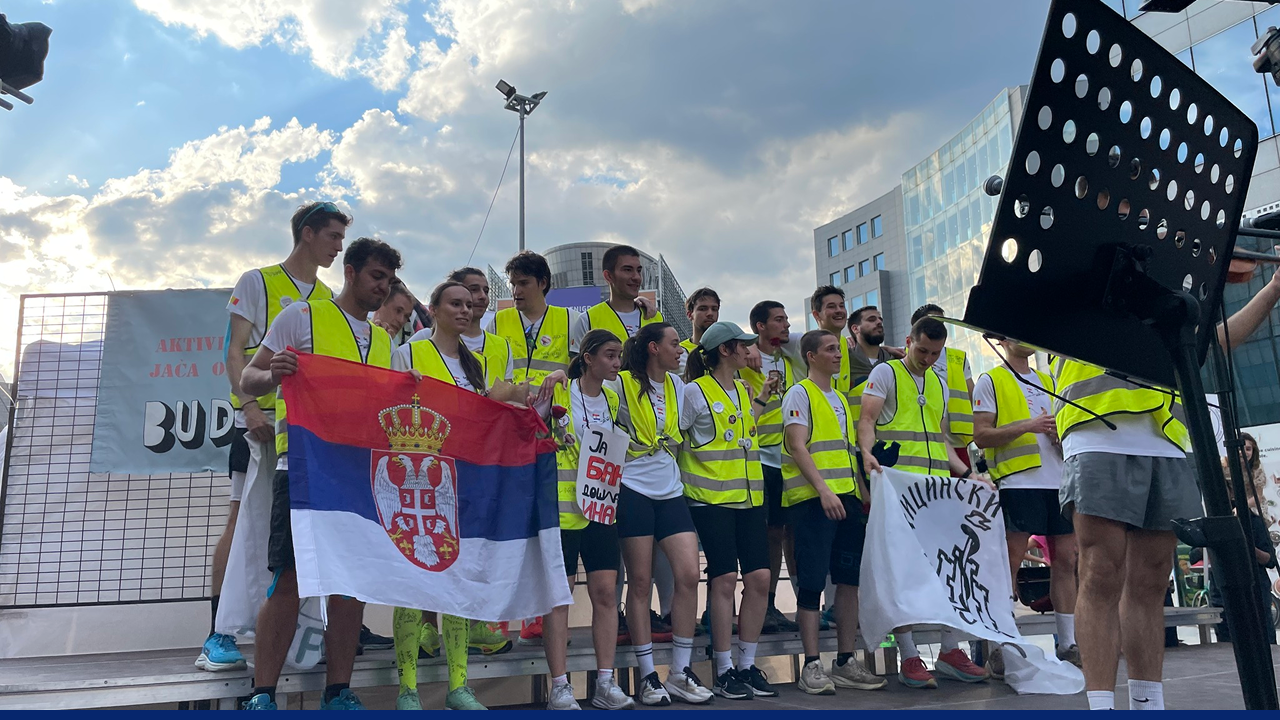
Serbian students who ran from Novi Sad, Serbia, to Brussels, Belgium, to demand justice for the 16 lives lost and put an end to government corruption. Credits: Facebook
Common Themes Across Generation Z Protests
Gen Z protests center on justice, transparency, and dignity, demanding constant accountability rather than change limited to election cycles. Core grievances include corruption, police violence, inequality, environmental harm, and gender rights. What unites these movements is urgency and digital fluency.
Unlike traditional activism, Gen Z encourages broad participation. Protesters act simultaneously as organizers, livestreamers, and fact-checkers. Storytelling through videos and posts gives these movements emotional force. Across cultures, the pattern is consistent: rapid online mobilization, swift spread, official pushback, and renewed calls for accountability, forming a shared global language of protest.
The Impact of Cultural Symbolism in Mobilization
Cultural symbols combine activism and identity, making protests a key part of youth culture that values freedom. Symbols from anime, gaming, and internet humor serve as rallying points for these movements. In a media-saturated world, by mixing art and politics, cultural symbols can transform demands into shareable experiences.
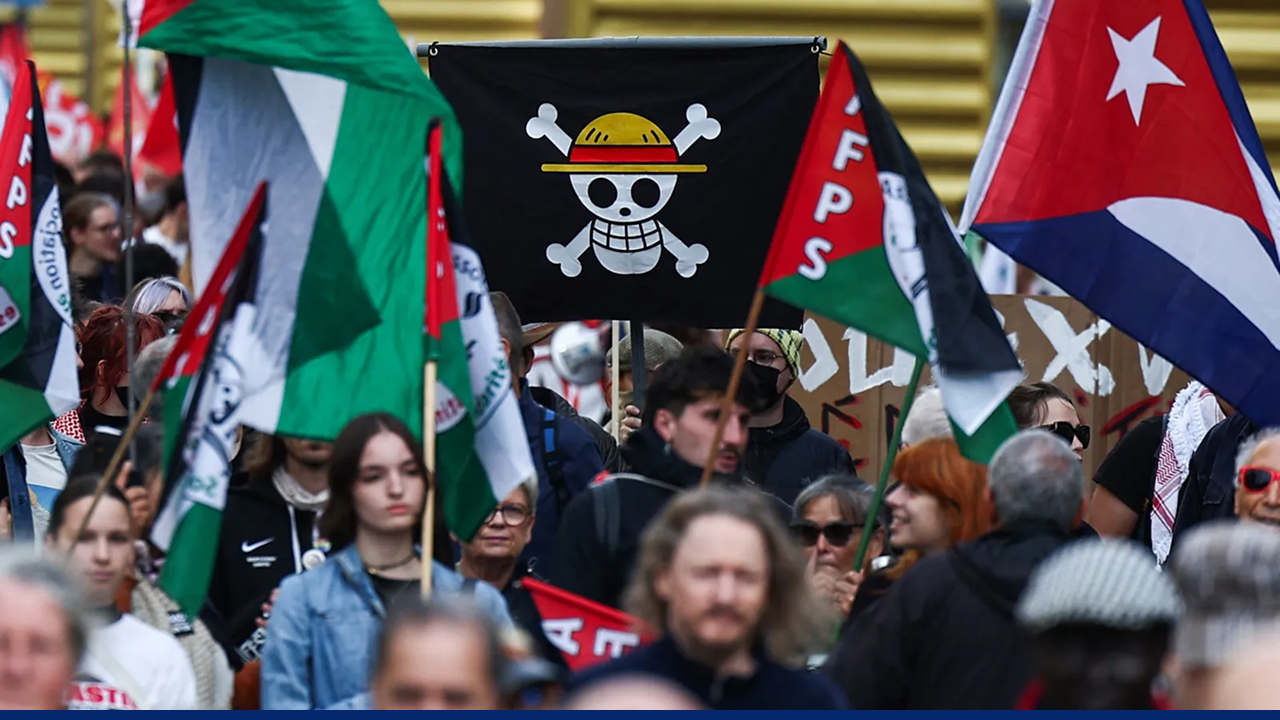
Across multiple countries, a singular pop culture symbol has emerged: a black flag showing a grinning skull and crossbones wearing a straw hat. It comes from a cult Japanese manga and anime series called "One Piece," which follows a crew of pirates as they take on corrupt governments. Credits: Getty
In Nepal, protesters waved flags inspired by One Piece to show their defiance against censorship. This kind of imagery makes political action feel like a cultural event, which helps connect more people to the cause. Memes can spread faster and feel more relatable than traditional political statements.
Challenges Faced by Gen Z Protest Movements
Gen Z protests burst with energy but face steep hurdles. Online platforms expose activists to surveillance and misinformation, especially in backsliding democracies where governments monitor chats to sow division.
Leaderless structures thrive on spontaneity yet struggle to sustain strategies once the hype fades. Viral messaging often simplifies complex demands, diluting impact, while clashes with police bring injuries and arrests that strain decentralized groups.
Burnout hits hard as youth juggle studies and vigilance. Still, global learning from setbacks builds resilience; the real test is channeling fleeting outrage into enduring change.
Future Outlook for Generation Z Activism
Gen Z activism evolves from spontaneous street surges to structured advocacy and civic tech. Youth blend confrontation with negotiation, learning from Nepal, Madagascar, and Morocco that suppression only fuels deeper demands for systemic reform.
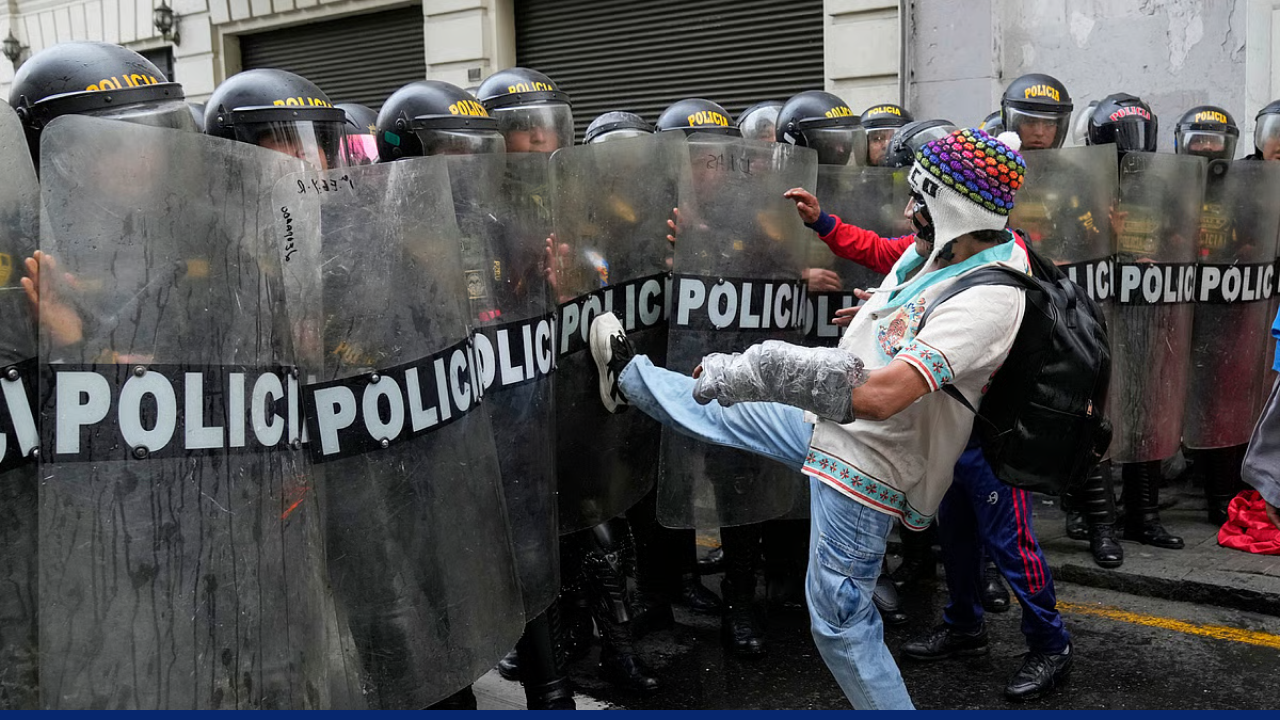
Young people harnessing technology for mass movements is nothing new; in the early 2000s, text messaging propelled the second People's Power Revolution in the Philippines. In comparison, the Arab Spring and Occupy Wall Street in the 2010s relied heavily on Twitter. Credits: Getty
Subsequent phases fuse online outrage with voter drives and community projects. Creative tactics endure, but practical goals promise lasting wins. Their true legacy? Transforming digital fury into tangible, 21st-century change.
People Also Ask
Why are Gen Z protesting?
The root causes and triggers in each country are different, but they are all connected to overlapping themes such as inequality, democratic backsliding, and corruption.
What is the biggest issue facing Gen Z?
Some common problems that Gen Z face are cost of living, mental health concerns, climate anxiety, and social media pressure.
Who is the most influential person for Gen Z?
There isn’t a single “most influential person” for Gen Z. There are several figures who reach out to a Gen Z audience, such as Billie Eilish, Kylie Jenner, Kylian Mbappé, and Greta Thunberg, who are some of the more commonly cited ones.
Gen Z: an activist generation?
They are widely considered an activist generation; however, what distinguishes them is their approach to activism, which differs from traditional methods. The generations before them had plenty of activists, but they were not as predominantly online.
What does 😭 mean in Gen Z?
For Gen Z, this emoji is most often used to show that something is so funny or cute that it makes them cry tears of joy, rather than actual sadness or frustration.